
Editorial
Brand Betrayal: When Your Best Customers Turn
Why loyal customers can become a brand's harshest critics—and how the Sonos app crisis helps distinguish product frustration from a broken relationship.

Key points
- Loyalty can protect a brand after a mistake. It can also raise the stakes when customers interpret that mistake as a broken promise. The useful warning is a change in what established customers believe the company owes them.
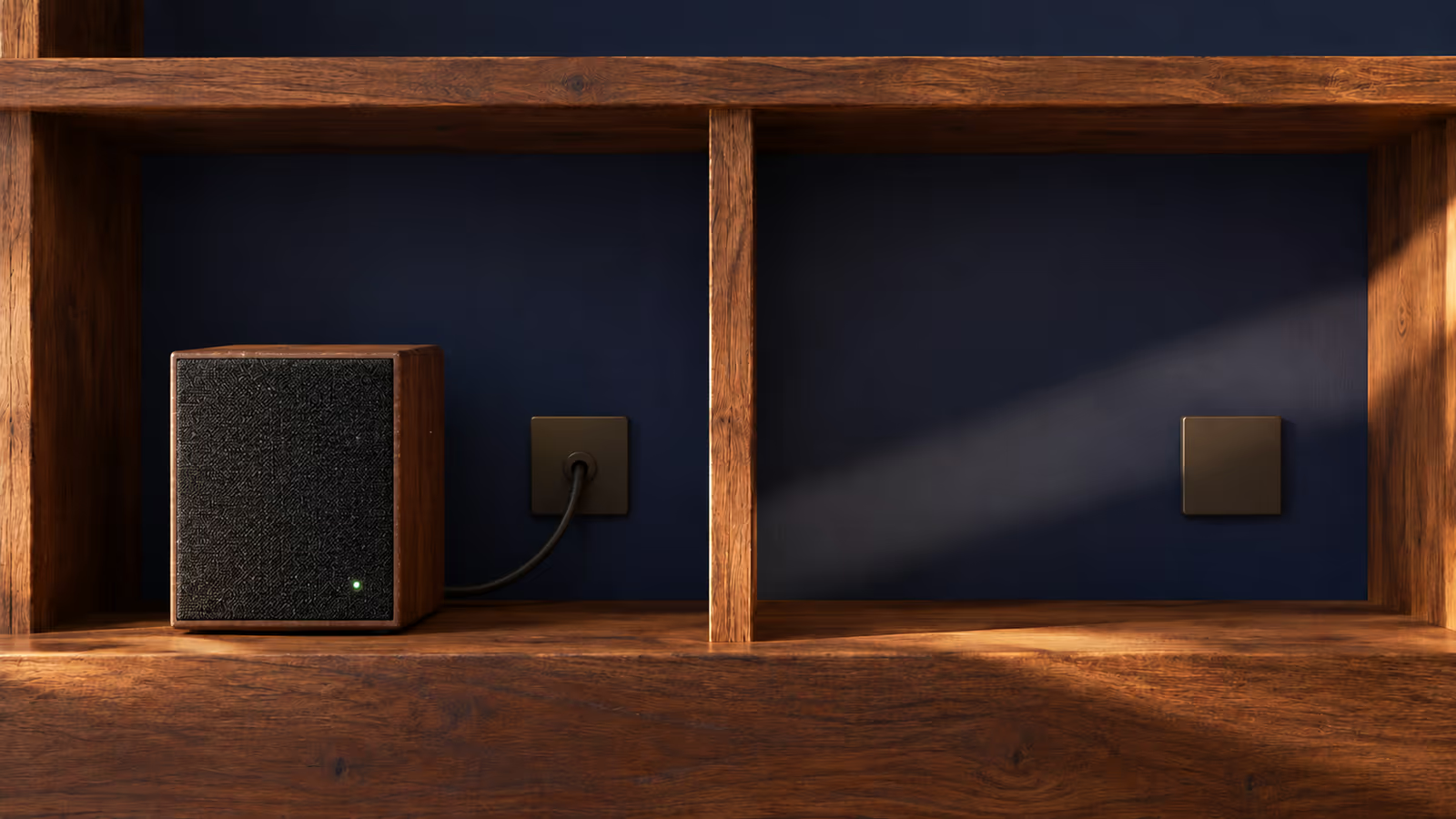
August 6, 2026 editorial edition; first added to the site October 19, 2026. The opening and secondary illustrations are AI-generated conceptual scenes.
A loyal customer can forgive a broken product. It is harder to forgive being told that something they already owned was never really theirs to count on.
That is the distinction buried in the Sonos app crisis. On July 25, 2024, a customer responding to the company's apology said they loved Sonos and welcomed the statement. Then they objected to its explanation. This was not simply software behaving badly. Functions they used had been removed.
I think that objection tells us more about brand betrayal than the volume of angry posts. The customer was still explaining the relationship. They were telling the company what loyalty had led them to expect.
A sentiment report could file the whole exchange under negative. A useful briefing would notice that the argument had changed: from whether the product worked to whether the company had the right to change what the customer depended on.
Loyalty creates an obligation the company may not have written down
The comforting version of loyalty is a reservoir of goodwill. A customer has had enough good experiences to give the company another chance. This is real. It is also only half the relationship.
Repeated purchases create expectations. The customer has invested money, learned the product, arranged routines around it, perhaps persuaded friends to buy it. They believe the company understands what those commitments mean. A failure can therefore feel less like bad luck and more like disregard.
Yany Grégoire and Robert Fisher's research on customer betrayal, published in 2008, examined service failure followed by poor recovery. Strong relationships could intensify retaliation through a sense of betrayal. The relationship that had protected the company could also raise the cost of failing the customer again.
Key insight
Research by Eda Sayin and Zeynep Gürhan-Canlı examines another route to betrayal: a change in a brand's symbolic meaning when people are closely connected to it. The useful question is what the relationship contains. For one brand, it may be identity. For another, continuity. For a connected home-audio system, continuity is a substantial part of what has been bought.
The app changed the speakers without touching them
A speaker can sit in exactly the same place and become a different product overnight. Its owner did not replace it. The company changed the software through which it works.
Sonos released its redesigned app on May 7, 2024. Its July recovery schedule included work on local music libraries and system stability, with playlist and queue editing due back in September or October. These were capabilities customers had used, now appearing on a roadmap for future delivery.
Read that from the owner's side of the table. A feature on a roadmap is a promise when you do not have it yet. When you had it yesterday, the same roadmap records how long you are being asked to go without it.

The chronology matters because the customer's patience has a clock. Each revised expectation becomes part of the experience. A company may see a growing list of fixes shipped. The customer may see another month during which their original purchase remains less useful than before.
That is how a technical incident acquires a relationship history. The next explanation arrives with the previous explanations attached.
The apology answered a different question
The July 25 community discussion contains both appreciation for the apology and objections to what it acknowledged. One participant, scottdwinter, put the distinction plainly:
“you literally removed features people used every day”
Another, Marc_50, distinguished bugs from missing queue-editing functionality and objected to the restoration timetable moving later. A participant using the name sjw described changing their own behavior: instead of routinely updating every app, they would inspect updates individually.
These individual accounts reveal something a negative-sentiment label cannot: people were arguing about control, continuity, and whether future changes could be trusted.
The last example is particularly revealing. The speaker still exists. The app may still be used. Yet an action that once happened automatically now requires suspicion and inspection. The company has lost a small piece of permission.
I would put that change in a briefing before another paragraph about how upset the forum sounds. Trust often becomes visible at the moment someone starts checking what they previously accepted.
The discussion began on July 25. The lowered outlook arrived on August 7, thirteen days later. The thread could not establish a revenue effect or represent the entire customer base. It could show, before that disclosure, that the problem customers were describing extended beyond broken software.
Brand betrayal makes product governance part of the response
By August 7, the issue had reached Sonos's financial outlook. In its earnings call, management described lower sales across the portfolio and two delayed product launches. The app problems had commercial consequences; those disclosures do not separately price the loss of trust.
The more instructive development for communications came on October 1. Sonos announced tougher prelaunch quality requirements, broader beta testing, and more gradual deployment of major changes. It proposed a quality ombudsperson with an escalation route to leadership and the board, and a customer advisory board. Executive bonuses would depend on improving app quality and rebuilding trust.
That is a different kind of answer. It addresses how the next decision gets made.
Those commitments recognize the shape of the complaint. Their value depends on what the company subsequently does. If customers believe the company will sacrifice existing use for its next launch, another apology cannot settle the question. The release process, escalation rights, and incentives have become part of the message.
Communications cannot promise those changes on its own. It can make clear why a response without them will sound incomplete. That is a more useful contribution than searching for a warmer synonym for “sorry.”
The installed base can hide a broken relationship
A house full of speakers is an expensive thing to replace. Continued use may mean satisfaction. It may also mean that starting again is too costly or inconvenient.
This is why I would separate the present relationship from the next decision. Will the customer keep using what they own? Will they buy another room's worth? Will they recommend it to someone whose disappointment would become their problem?
Those are three different exposures. An activity dashboard can look reassuring while the second and third are deteriorating. The customer remains in the installed base but has stopped helping it grow.
Expansion purchases, returns, referrals, and consistent customer research are where that risk would become measurable. It is a reason to read the language more carefully before the next quarter arrives. “I need this working” and “I cannot recommend this anymore” may have the same sentiment score. They point toward different consequences.
The company needs to know whether the customer is asking for help, withdrawing confidence, or trying to alter someone else's purchase. This is a change in the frame, not merely an increase in the temperature. The purpose of the complaint is changing.
What a complaint report should carry into the room
A useful report should preserve enough of the customer's history to explain the stakes. How long have they depended on the product? What have they built around it? Which expectation do they believe has been violated? What are they doing differently now?
I would pair those answers with the recovery evidence. The capability has been restored. The customer can use it reliably. The next release has meaningful safeguards. Recommendations and expansion purchases are, or are not, recovering. Where those observations disagree, there is something worth discussing.
The point is to bring leadership a relationship in motion. Fewer negative mentions cannot do that job. A customer may be quiet because the product works, because they have given up complaining, or because they have decided what to buy next.
“never forget what you put people through”
In that interview, Conrad described a company whose focus on new launches had weakened its connection to the system customers experienced as a whole. That is the useful retrospective. The unit the company was managing and the thing the customer had trusted had drifted apart.
The best customers often see that gap first. They know what used to work. They remember what was promised. They have more of their own judgment invested in the brand.
Read their specificity before reducing it to anger. It may be the clearest description you will get of the business you are supposed to be protecting.
Related
pillar guide ·
Why Sentiment Analysis Fails During a Reputation Crisis
Sentiment scores tell you how language sounds, not what the story means. During a real crisis, the tone stays calm while the story underneath gets worse.
glossary ·
Frame Change in Reputation Monitoring
A frame change is when the question coverage is answering shifts — from 'what happened' to 'what did they know.' The vocabulary stays calm. The meaning moves.
pillar guide ·
From Weak Signal to Material Signal in PR
A signal becomes dangerous not when it gets louder but when it changes who is paying attention. Here's a practical framework for tracking that shift.
editorial ·
Why Brand Crises Happen All at Once: A Working Theory of Pluralistic Ignorance
Sentiment doesn't predict brand crises. Coordination does. A 100-year-old framework from social psychology explains why most monitoring tools fail.